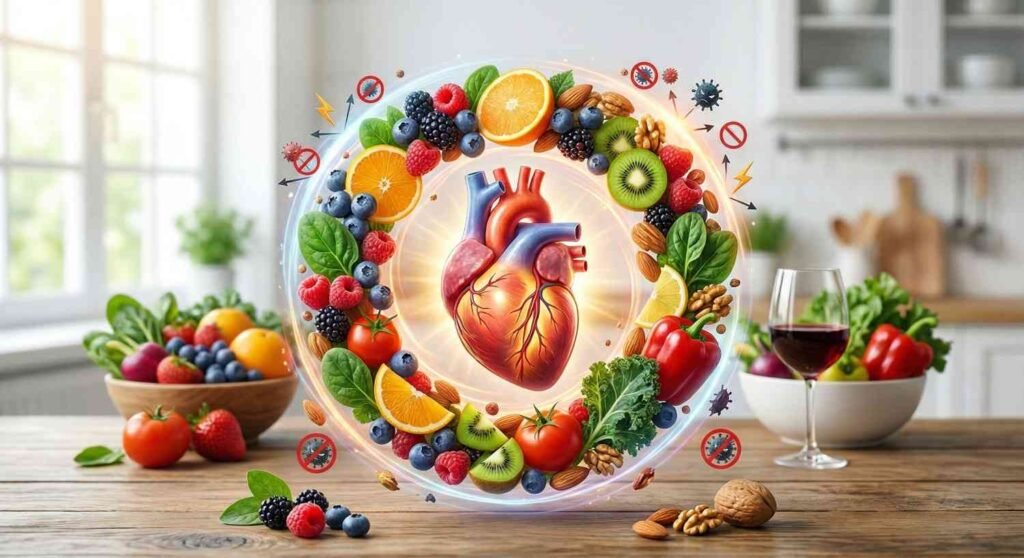
Antioxidants are highly beneficial for patients with cardiovascular diseases. A diet rich in fruits and vegetables results in an increase in serum antioxidant capacity and a decrease in oxidative stress. Different types of antioxidants present in fruits and vegetables include polyphenols, vitamin C, vitamin E, and lycopene. These compounds help reduce blood cholesterol (by reducing LDL oxidation), lower blood pressure, and decrease stress.
Cardiovascular diseases (CVDs) have gained increasing attention due to their high prevalence and mortality worldwide. Epidemiological studies have revealed that the intake of fruits, vegetables, nuts, and cereals can reduce the risk of CVDs, and their antioxidants are considered the main contributors [1] .Generally, antioxidants are present in citrus fruits like lemon, orange, kiwi, and Amla, and in berries such as strawberries, blueberries, and blackberries.
Types of Antioxidants: –
1) Vitamins –
a) Vitamin C (Ascorbic Acid): It is a water-soluble antioxidant. Ascorbic acid neutralizes harmful free radicals in plasma by donating electrons. It also supports collagen synthesis and helps regenerate other antioxidants such as vitamin E.
b) Vitamin E (Tocopherols): Tocopherol is a fat-soluble antioxidant that protects cellular membranes from oxidative damage by scavenging free radicals and preventing lipid peroxidation.
c) Vitamin A (Beta-carotene): Beta-carotene belongs to a group of colored pigments called carotenoids. It is converted into vitamin A in the body and is found in many fruits and vegetables. Beta-carotene and other red, orange, and yellow pigments are considered antioxidants. Vitamin A also has antioxidant and anti-inflammatory effects that help protect cells from damage.[2]
2) Minerals –
- Selenium: Protects cells from damage; found in seafood, whole grains, and lean meats.
- Zinc: Promotes immune function; present in nuts, seafood, and lean meats.
- Copper: Essential for detoxifying free radicals; found in seafood and nuts.
- Iron: Acts as a cofactor for antioxidant enzymes.
- Manganese: Plays a crucial role in supporting antioxidant defenses in the body.
3) Polyphenols –
a) Flavonoids: Flavonoids are plant chemicals widely distributed in the plant kingdom. Research shows they have antioxidant, anti-inflammatory, and anticancer properties and reduce the risk of cardiovascular diseases [3]. They help lower blood pressure and support heart health. Found in fruits, vegetables, tea, and red wine.
b) Anthocyanins: These are water-soluble pigments that give fruits and vegetables red, purple, and blue colors. They act as antioxidants, reduce inflammation, improve heart health, and neutralize free radicals. Found in berries, grapes, red cabbage, black rice, and purple sweet potatoes.
c) Lycopene: Protects cells from damage and reduces inflammation. It is found mainly in red fruits and vegetables, especially tomatoes. It also promotes heart health by lowering blood pressure and cholesterol.
d) Lutein & Zeaxanthin: These carotenoid pigments protect the retina and macula from oxidative damage.
4) Enzymes & Other Compounds –
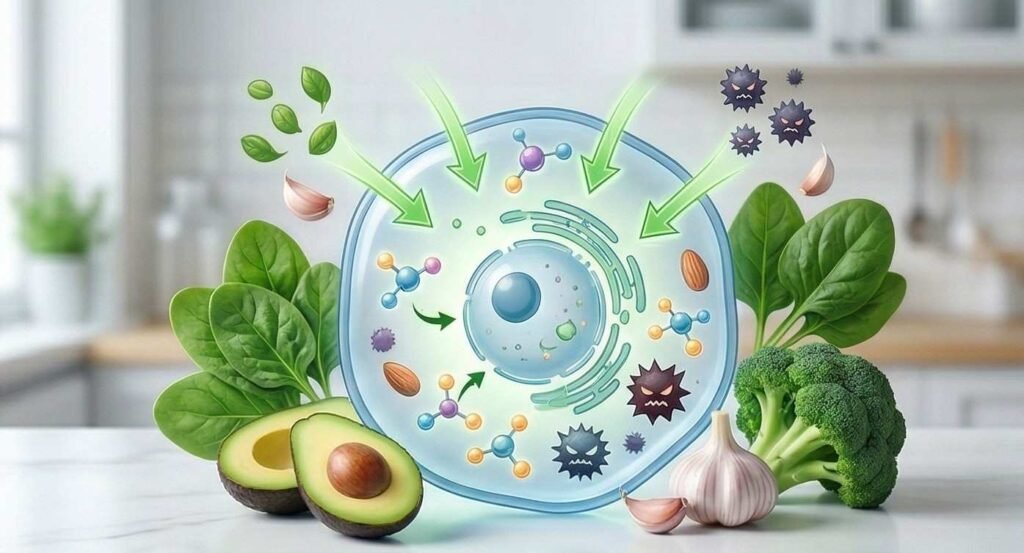
a) Glutathione: A non-enzymatic, naturally produced antioxidant often called the “master antioxidant.” It maintains cellular health and aids in detoxification. Found in foods like avocado, spinach, okra, broccoli, onion, garlic, chicken, fish, and eggs.
b) Uric Acid: Helps protect cells from oxidative damage and is present in berries, citrus fruits, and leafy vegetables.
c) Ubiquinone (Coenzyme Q10): A fat-soluble compound whose primary function is to generate energy within cells and act as a powerful antioxidant.
Why should people consume antioxidant-rich foods?
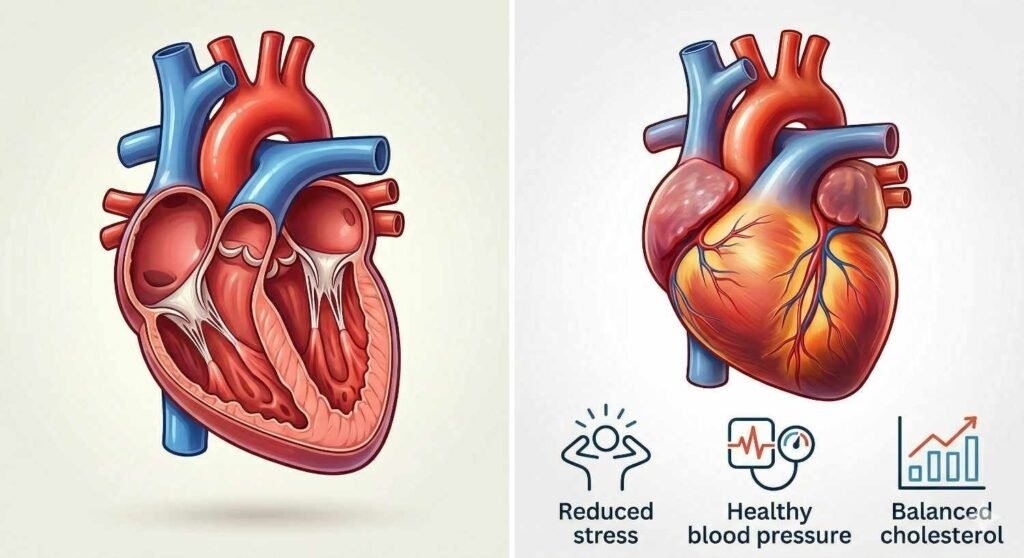
Antioxidant-rich foods provide many benefits. They reduce oxidative stress, protect against cellular damage, neutralize free radicals, and support overall organ health. Therefore, people should include green vegetables, nuts, berries, leafy greens, and fruits such as guava, papaya, amla, and kiwi in their daily diet.
DR. SUNDAN SIKDAR – MD,DM (GB Pant, Delhi)
REFERENCES : –
- ANTIOXIDANT FOOD COMPONENTS FOR THE PREVENTION AND TREATMENT OF CARDIOVASCULAR DISEASE: EFFECTS, MECHANISMS AND CLINICAL STUDIES https://pmc.ncbi.nlm.nih.gov/articles/PMC7864729
- BETA-CAROTENE -USES , SIDE EFFECTS, AND MORE – https://www.webmd.com/vitamins/ai/ingredientmono-999/beta-carotene
- WHAT YOU NEED TO KNOW ABOUT FLAVONOIDS – https://health.clevelandclinic.org/what-are-flavonoids